"You have a right to perform your prescribed duties, but you are not entitled to the fruits of your actions. Never consider yourself to be the cause of the results of your activities, nor be attached to inaction."
Meaning - I have not written this book about the worship of Maa Baglamukhi Devi and the significance of Nalkheda in hope of any honor or position, but as a small attempt to provide devotees with a vision of Maa Baglamukhi Devi. I certainly wish to receive love and blessings from devotees.
Nalkheda must have certainly been a religious city, but why historians and religious thinkers have not paid attention to this is my subject of interest. The design and construction secrets of buildings and sculptures have their foundation in ancient science and art, with Vastu Shastra being rooted in the Vedas, particularly the Atharvaveda among the four Vedas.
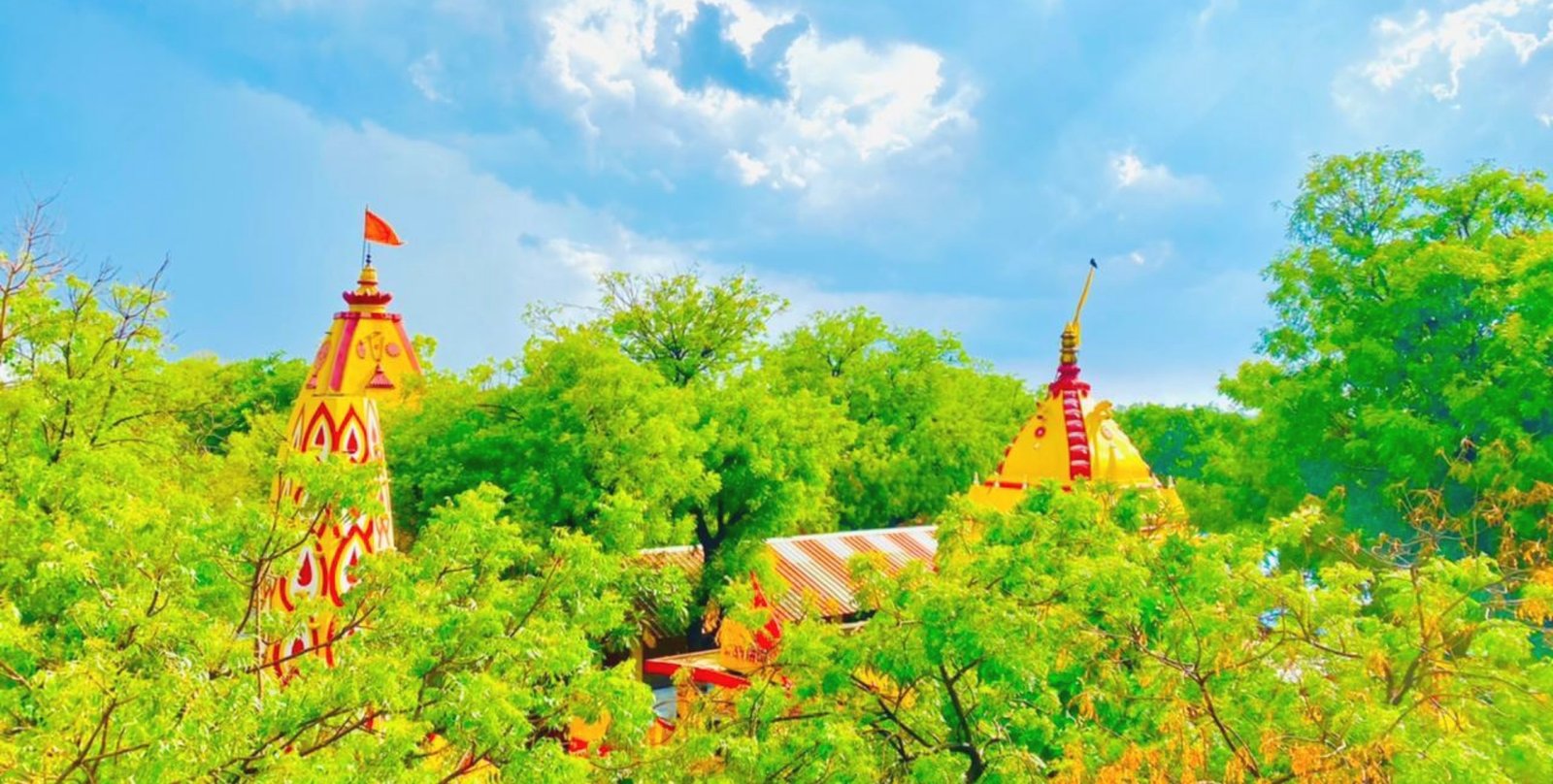
The sad reality today is that magnificent temples are being constructed while setting aside the Vastu system. The temple of Maa Baglamukhi Devi is one of the important temples of India. Keeping the subject matter in mind, I have presented my devoted thoughts on the worship of Maa Baglamukhi Devi and the significance of Nalkheda.
Come, brothers, let us look through the mirror of history, astrology, religious scriptures, and Vastu Shastra to understand what period the construction of Maa Baglamukhi Devi's temple and Nalkheda city belongs to.
To understand the temple's antiquity, we need to look into the mirror of Mahabharata-era history. Enlightened readers should know that historians consider the Mahabharata war to have occurred 3000 years before Christ. Due to this war being mentioned in Panini's grammar, learned historians consider its age to be 2-3 thousand years before Christ.
From studying religious texts, we learn that whenever gods, deities, or sages faced the wrath of demons or nature's fury, they sought refuge in Shakti and were freed from troubles. From studying the Ramayana, we learn that when Rama was uncertain about victory against Ravana's vast army and prowess, he too had to seek refuge in Shakti.
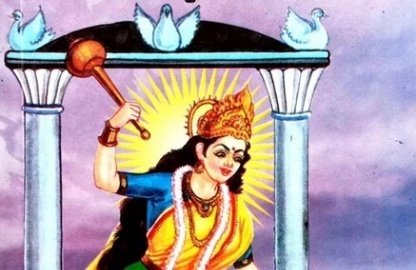
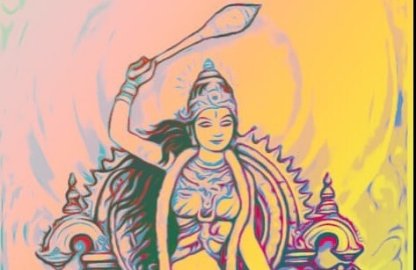
Inspired by Lord Krishna, the Pandavas rested at the present location where Maa Baglamukhi Devi's temple now stands (Nalkheda). Near the banks of the Lakhundar River, the Pandavas performed intense penance for Maa Baglamukhi Devi. Pleased with their penance, the Mother appeared to them and blessed them with victory in battle.
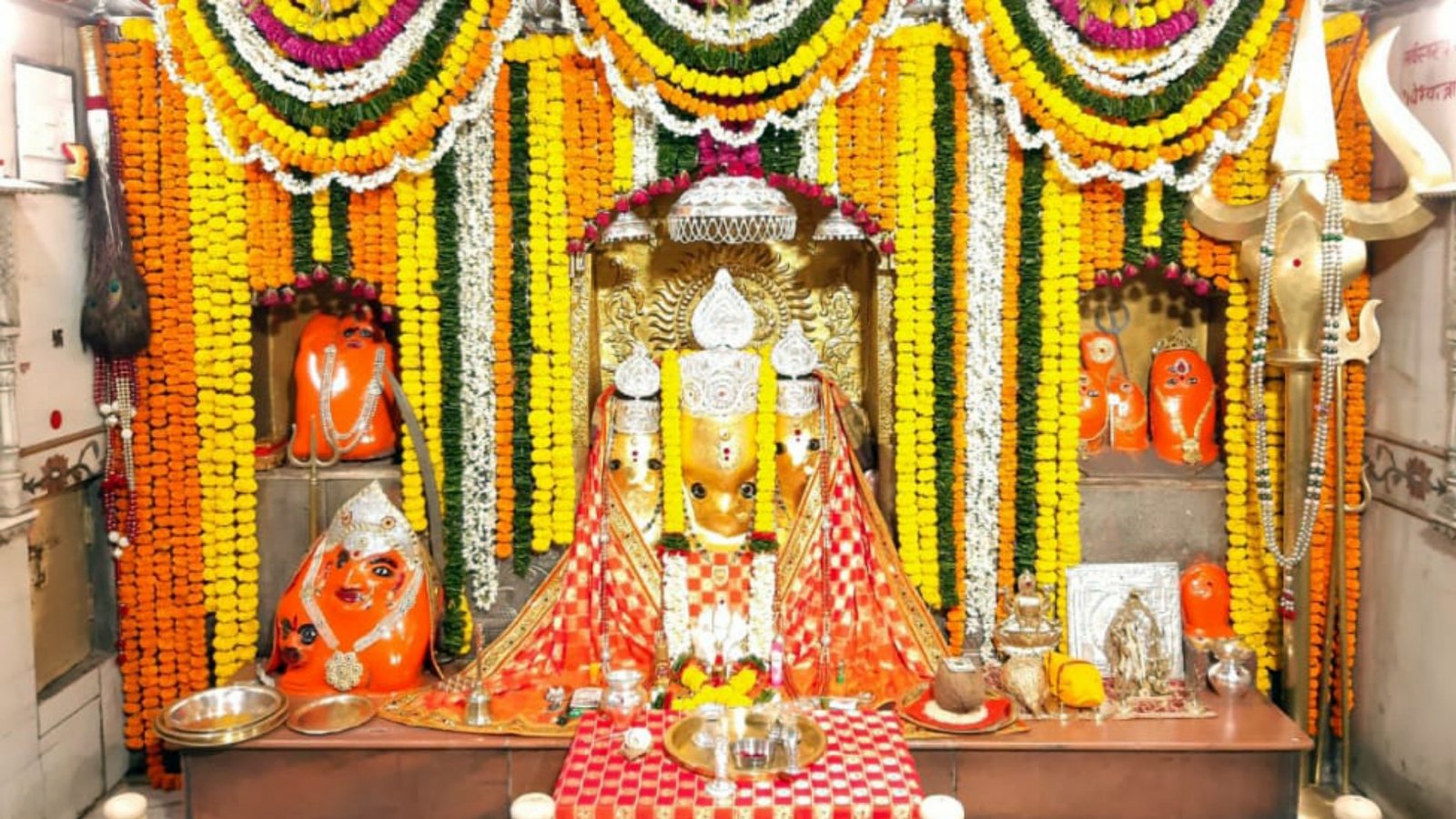
My contemplation is that without Maa Baglamukhi Devi's grace on the Pandavas, victory in battle would have been impossible. The temple's description is also found during King Vikramaditya's era. If we study the sculptural styles of world statues, artists had knowledge of giving form to sculptures 2500 or 3000 years before Christ, but we see Maa Baglamukhi Devi's divine statue in the style of 3000 years ago.
I have personally concluded that the temple of Maa Baglamukhi Devi in Nalkheda dates back to 3000 years before Christ.
6:00 AM
7:30 PM
Darshan: 6:00 AM to 9:30 PM

Nearest Railway station Ujjain which is 98 km away. Ujjain is connected by rail to major cities like Mumbai, Delhi, Hyderabad and Bangalore.

Agar Malwa is well connected by road. You can come here by hiring a cab or catching a bus from Ujjain (98 km), Indore (156 km), Bhopal (182 km), and Kota Rajsthan (191 km).

The closest is Devi Ahilyabai Holkar International Airport Indore airport, which is 156 km away. It is the busiest airport in Madhya Pradesh and is well connected to cities like Delhi, Mumbai, Hyderabad, Chennai, Ahmedabad, Kolkata, Bengaluru, Raipur and Jabalpur.